
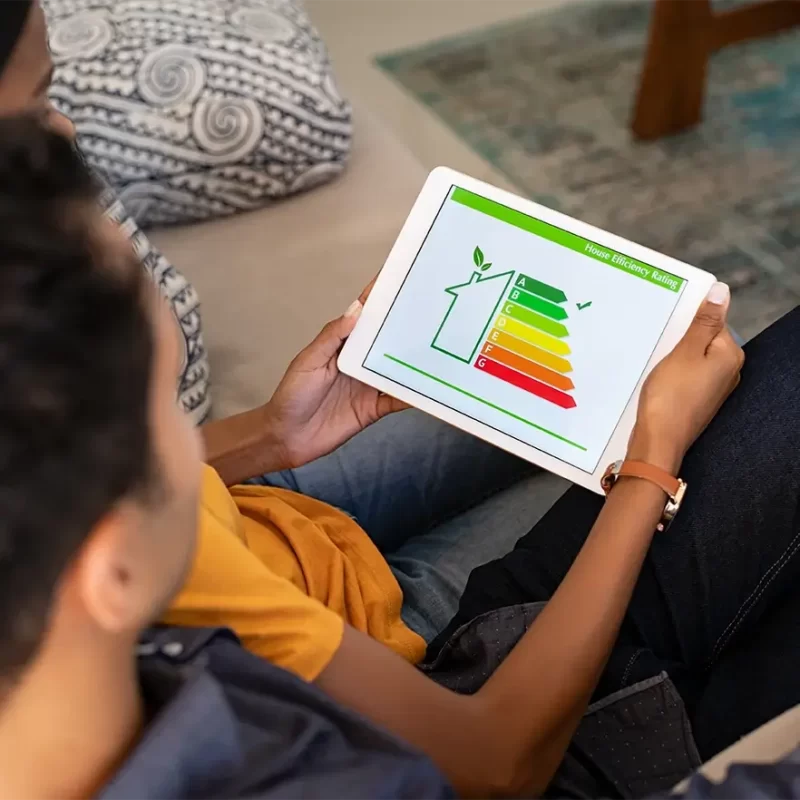
Tinted windows help control indoor temperatures by blocking a portion of the sun’s heat. This reduces the need for air conditioning in the summer and may lower heating costs in winter as the tint can help retain warmth. The overall effect is reduced energy usage and potentially lower utility bills.
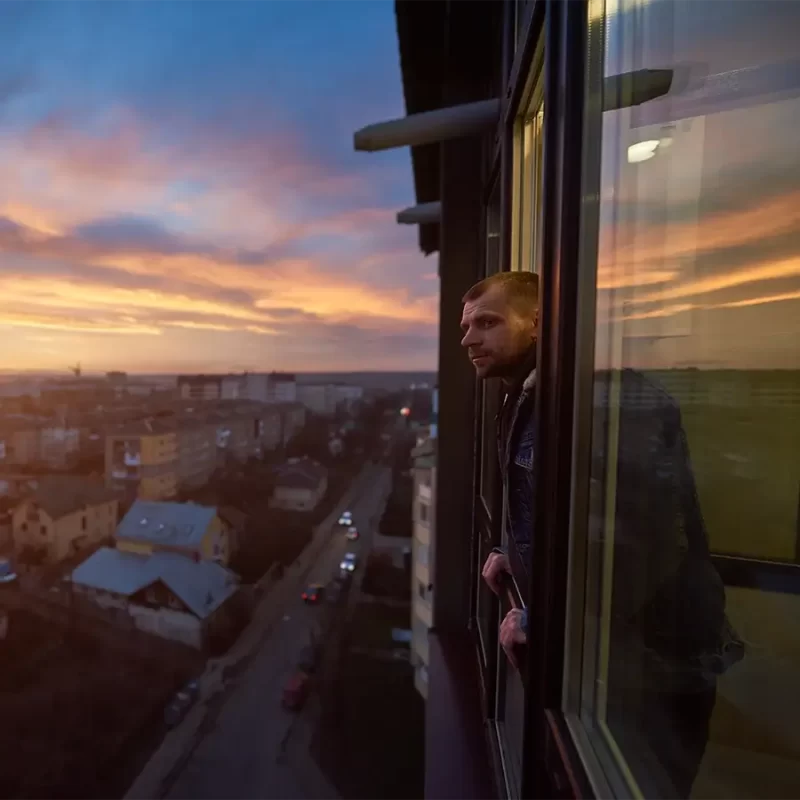
Tinted windows can make it harder for outsiders to see into your home, which adds a layer of privacy without needing blinds or curtains. Some tinting films also make windows more resistant to shattering, which can improve security by making it harder for intruders to break in.

Window tinting blocks up to 99% of harmful ultraviolet (UV) rays. This protects your family from prolonged UV exposure, which can cause skin damage and reduces fading on furniture, carpets, flooring, and artwork.

By reducing glare, tinted windows make it more comfortable to read, watch TV, or work on screens without needing to close the blinds. It also helps maintain a more consistent temperature in rooms that get a lot of direct sunlight, improving overall comfort.
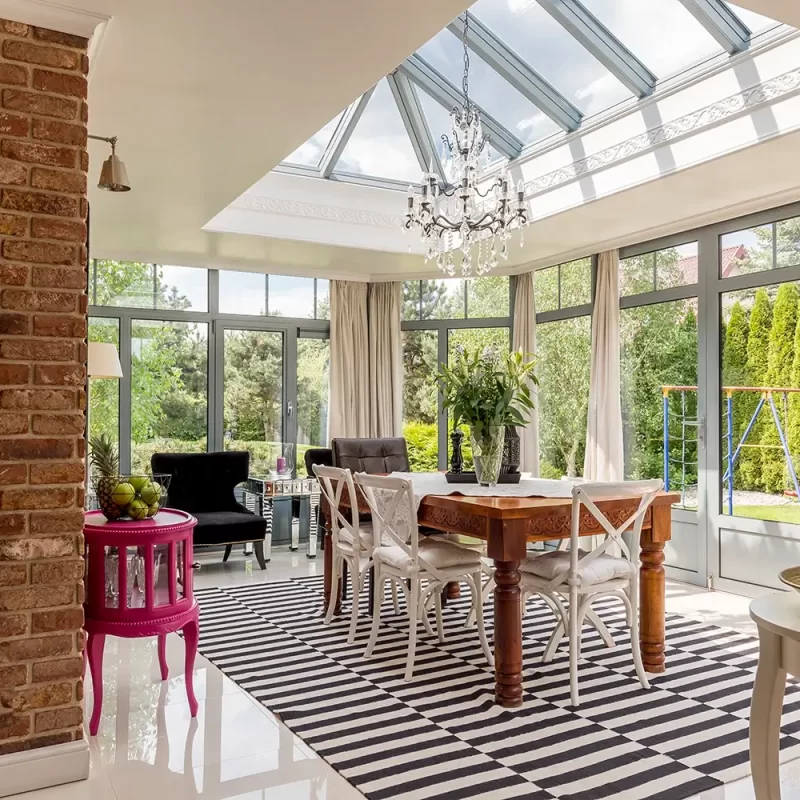
Window tinting is available in various shades and finishes, so you can choose one that complements your home’s look. It can give windows a sleek, uniform appearance, which is often appealing in traditional and modern designs.

Reducing energy consumption through better temperature regulation contributes to a smaller carbon footprint. Window tinting helps your home use less energy, supporting sustainable living practices.
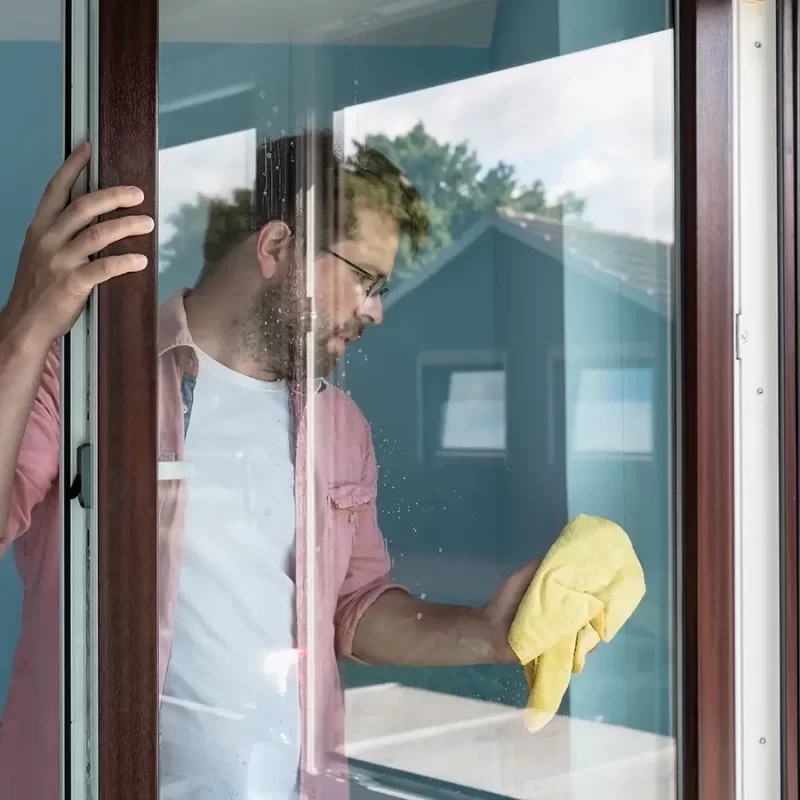
Once installed, tinted windows are relatively low-maintenance. They don’t require special cleaning techniques beyond standard glass cleaning, and high-quality tints can last for many years without fading or peeling.